
The BD Max™ Bacterial Vaginal (BV) PCR Positive Quality Control is an essential tool in the molecular diagnosis of bacterial vaginosis (BV), a common vaginal infection caused by the imbalance of normal vaginal flora. This positive control ensures the accuracy and reliability of PCR-based assays, helping laboratories maintain high standards for diagnosing BV, a condition linked to several reproductive health issues such as preterm birth, pelvic inflammatory disease (PID), and increased susceptibility to sexually transmitted infections (STIs).
The Importance of Bacterial Vaginosis Diagnosis
Bacterial vaginosis is characterized by the depletion of Lactobacillus species and the overgrowth of anaerobic bacteria, including Gardnerella vaginalis, Atopobium vaginae, and Prevotella species. Accurate diagnosis of BV is essential for timely treatment, which can help prevent long-term complications like preterm labor and recurrent infections, as described in studies from NIH and CDC.

Features of BD Max™ Bacterial Vaginal (BV) PCR Positive Quality Control
- Ensures PCR Accuracy: The BD Max™ BV PCR Positive Quality Control contains a defined concentration of bacterial DNA, ensuring that the PCR assay can accurately detect bacterial pathogens associated with BV. This control helps verify the reliability of PCR tests, as outlined in FDA’s PCR assay guidelines.
- Prevents False Negatives: Regular use of positive controls prevents false negatives, a common issue in molecular diagnostics, ensuring that laboratories can accurately diagnose BV, even in low bacterial load cases. More on false negative prevention can be found in NIH’s diagnostic accuracy research.
- Reliable for Routine Use: The BD Max™ BV PCR Positive Quality Control is designed for use in clinical laboratories and can be integrated into routine diagnostic workflows, helping labs maintain CLIA-compliant standards. Learn more about laboratory compliance at CDC.
Applications of BD Max™ BV PCR Positive Quality Control
- Clinical Diagnosis of BV: This positive control is critical for validating PCR assays used to diagnose bacterial vaginosis. PCR-based tests are highly sensitive and specific, detecting pathogenic bacterial DNA directly from vaginal swabs. Research supported by NCBI has shown that PCR assays provide a more reliable diagnosis compared to traditional methods like Gram staining.
- Quality Assurance in Laboratories: Positive controls like the BD Max™ BV PCR Quality Control are essential in ensuring consistent performance of PCR assays across multiple diagnostic platforms. Quality control in molecular diagnostics is critical for maintaining high accuracy in clinical results, as described by FDA’s diagnostic standards.
- Research on Vaginal Microbiota: Researchers studying the vaginal microbiome use PCR positive controls to ensure the reproducibility and accuracy of their findings. The vaginal microbiota plays a crucial role in women’s health, and disruptions can lead to recurrent infections, as highlighted in studies from NIH.
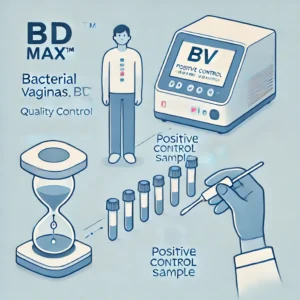
How the BD Max™ BV PCR Positive Quality Control Works
- DNA Standards: The positive control contains defined concentrations of DNA from bacterial species commonly associated with bacterial vaginosis.
- Validation: When included in PCR assays, the positive control ensures that the assay correctly identifies the presence of bacterial DNA.
- Routine Monitoring: The use of positive controls helps laboratories monitor assay performance over time, ensuring long-term consistency.
For detailed guidelines on PCR quality control, consult the resources available at NIH.
Sample Types and Preparation
- Vaginal Swabs: The BD Max™ BV PCR assay is typically performed on vaginal swabs collected from patients. Proper sample handling and storage are critical to maintain the integrity of the DNA, as outlined in FDA’s guidelines for molecular diagnostics.
- DNA Extraction: The positive control can be run alongside patient samples during the DNA extraction process to ensure that the extraction method is effective in isolating bacterial DNA from clinical samples.
Key Benefits of BD Max™ BV PCR Positive Quality Control
- High Sensitivity and Specificity: By ensuring that the PCR assay correctly identifies bacterial pathogens, the positive control contributes to the high sensitivity and specificity of the test, reducing the likelihood of diagnostic errors. More on test sensitivity and specificity can be found in NIH’s diagnostic studies.
- Reproducibility: Positive controls help ensure that PCR assays produce consistent results across different laboratories and testing conditions. This reproducibility is essential for maintaining the quality and reliability of diagnostic tests, as discussed by CDC’s laboratory resources.

Conclusion
The BD Max™ Bacterial Vaginal (BV) PCR Positive Quality Control is a critical component in ensuring the accuracy and reliability of PCR-based assays for diagnosing bacterial vaginosis. By using this control, laboratories can maintain high standards for clinical diagnostics, ensuring that patients receive timely and accurate diagnoses. For more information on quality control in molecular diagnostics, consult resources from NIH, FDA, and CDC.
This positive control plays a vital role in improving women’s health by enabling early and accurate diagnosis of bacterial vaginosis, preventing complications and promoting better reproductive health outcomes.